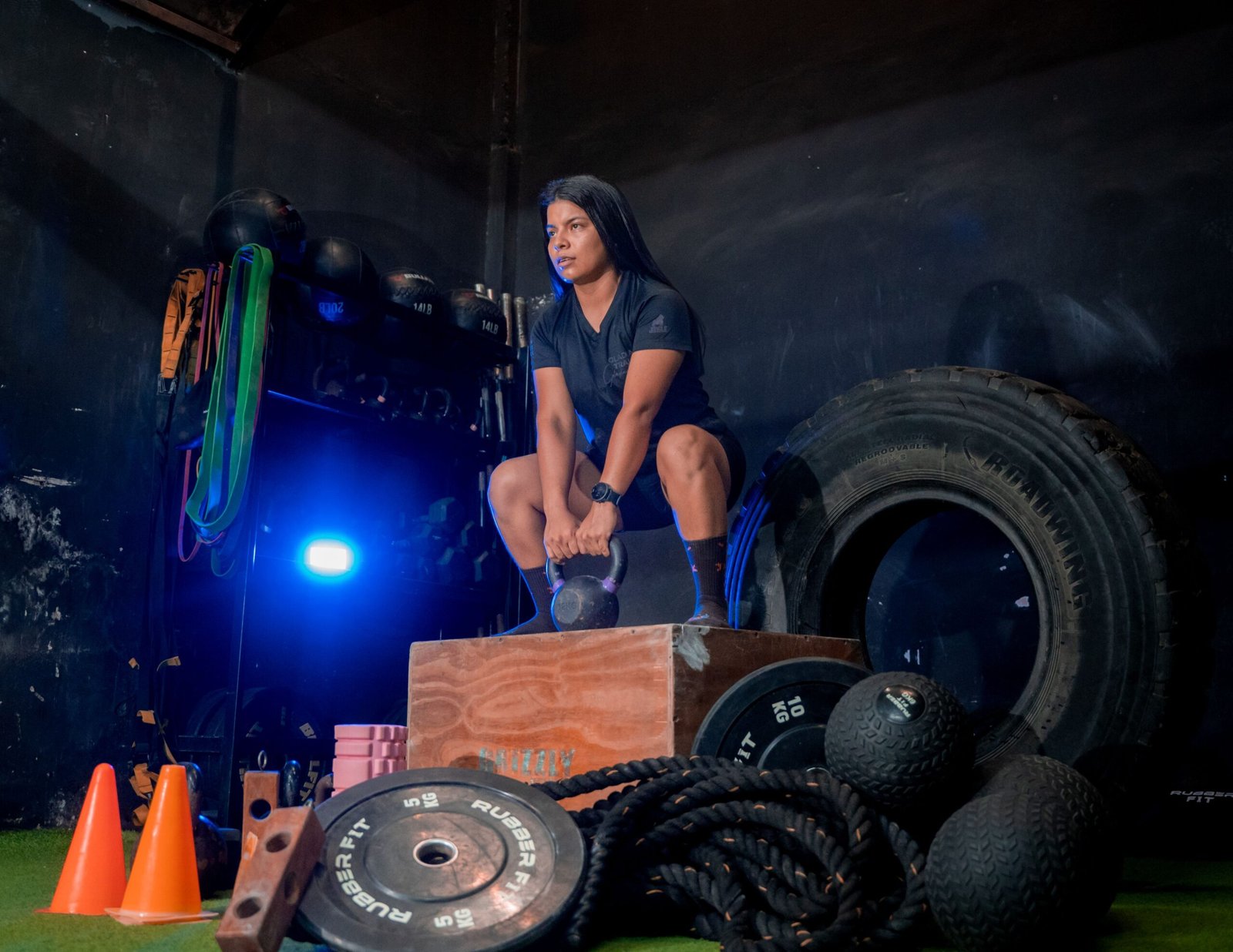
Functional fitness workout guide between the treadmill and the bicep curl machine, a lot of gym routines forget the real purpose of exercise: to make daily living easier. A functional fitness workout is intended to close that gap. Functional fitness workouts train movement patterns, not just muscles, such as the ones you use to carry groceries, climb stairs, hoist a luggage into an overhead bin, or get off the floor without moaning.
What Is a Functional Fitness Workout Guide?
The American Council on Exercise states that functional strength training works on many muscles and joints at the same time instead of just one muscle group making it easier to do everyday tasks (ACE Fitness). Functional fitness workouts, says Cedric Bryant, chief science officer at ACE, are meant to train the body to work together, not one joint at a time. That’s because anything you do in real life, whether it’s pushing a cart or carrying groceries, uses your entire body (U.S. News & World Report).
Simply put, the basis of a functional fitness program is movement patterns, not muscles. Since these are the basic ways the human body moves through the world, squats, hinges, pushes, pulls, carries, and rotations form the basis of almost any functional fitness program.
Exercise: Functional Fitness vs. Traditional Strength Training
Traditional weightlifting is often focused on one muscle, such as leg extensions or machine bicep curls. That’s why a functional fitness workout is much closer to how your body works outside the gym, because it uses multiple joints and muscle groups in one action.
Take the squat-to-overhead-press, for example, which mimics the action of lifting a heavy object off the ground and putting it on a shelf, while also strengthening your legs, core, shoulders and grip.
That doesn’t mean traditional strength training isn’t effective, quite the opposite. A good functional fitness program, however, tends to have a quicker translation into everyday capacity (better balance as you age, fewer accidents when doing yard work, ease carrying children or luggage, etc.).
Main Advantages of a Functional Fitness Exercise full body coordination. Functional fitness programs rarely isolate a single muscle so your core is used in almost every single exercise. ACE-certified trainer Jacque Crockford says when the core isn’t supporting the limbs in movement, you increase your chances of injury and inefficiency (BODi).
Patterns of core movement during a functional fitness exercise
A well-designed functional fitness workout typically includes seven categories that you rotate through:
Split squats, goblet squats, bodyweight squats… all squats.
Hinge: Romanian deadlifts, kettlebell deadlifts
Push Overhead Press Push-up
Pull: rows, band pull
Carry: carries a suitcase, carries a farmer’s
Pallof presses, woodcuts, rotation/anti-rotation
Lunges, crawling movements and step-ups
Functional Fitness Workout Example
All you need for this 30-minute functional training workout is a set of dumbbells or kettlebells, and some space on the floor. The five-minute warm-up includes walking lunges, hip openers, arm circles and bodyweight squats.
Circuit (3 rounds of 40 seconds work and 20 seconds rest):
Goblet squats
Push-ups (full or knee)
One-arm row (either side)
farmer’s carry 30-40 yards
Take a step back and turn
Plank shoulder tap
Cool Down (5 minutes) – Thoracic Rotations, Hip Flexor Stretches and Deep Breathing
This method keeps your heart rate up, hits all major movement patterns in one functional fitness program, and doesn’t take an hour in the gym to be effective. Who Gains the Most From a Functional-Fitness Workout?
How to Start Safely
Form is important as a functional fitness exercise focuses on coordination and multi-joint movement. Start with bodyweight versions of each pattern before moving to an external load. Don’t be afraid to slow the tempo as your nervous system learns the action. If you have existing joint issues or are new to working out, a few sessions with a certified trainer might be helpful to perfect your technique before working out on your own.
Closing Remarks
Instead of trying to get a bigger number on a barbell, a functional fitness routine is meant to get your body ready for whatever life throws your way; moving furniture or chasing a toddler. You will see the results less in the mirror and more in the ease you move through a typical day if you keep your workouts based on the basic movement patterns and if you keep a reasonable level of intensity.
1 thought on “Functional Fitness Workout Guide Build Strength for Real Life”