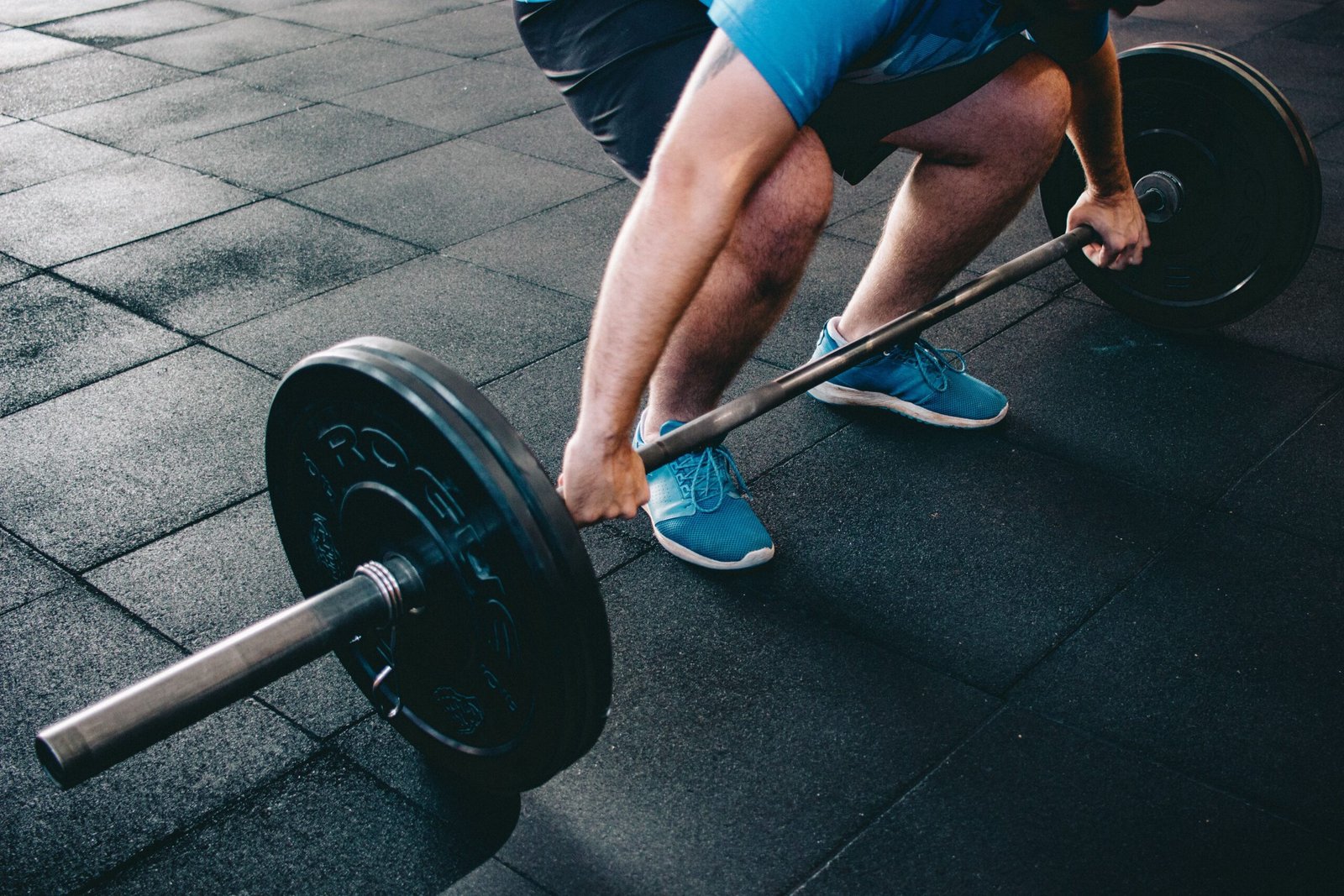
Strength training for beginners the biggest misconception that beginners have about strength training is that it is like bodybuilding – heavy barbells, grunting, protein shakes and a fear of getting bulky. “No need for that. Strength training is when you make your muscles work against a resistance, such as a dumbbell, a resistance band, a backpack full of books or your own body weight. In this guide, you’ll learn how to progress without guessing, the first eight weeks, and the few safety guidelines that separate those who train for decades from those who quit after one painful week.
The Real Meaning of Strength Training
Strength training is when a muscle is working against a load greater than the muscle is used to. The load can be internal (your body) or external (weights, bands, equipment). That breadth is reflected in the official guidelines, which list Important health behaviors for adults as 150 minutes of aerobic exercise and at least two days a week of muscle-strengthening activity. Pay attention to the fact that the statement contains no mention of a gym.
Bodybuilding is different from strength training. To gain the maximum muscle mass bodybuilders use a specific nutrition plan with high volume training. Strength training for beginners is about being able to do things. Carrying groceries. Lifting a suitcase. Getting up off the ground at eighty without something to hold onto.
What the Evidence Shows
The health case is so compelling, and most people don’t know it. Harvard Health’s long-term cohort data shows that, independent of aerobic exercise, people who trained with weights had a 19% lower risk of dying from cardiovascular disease, and a 27% lower chance of dying from neurological illnesses like dementia.
In practical terms, beginners should start light and focus on technique, ACSM. ACSM’s posture stand on resistance training is at least two non-consecutive days per week for all major muscle groups. Two 30-minute sessions a week accommodate both points nicely.
No, you will not put on weight. Building muscle takes years of more intense training and a consistent surplus of calories . For example, women don’t have enough testosterone to accidentally put on a lot of muscle. In only a few weeks you will have a better posture, stronger muscles and less painful joints.
Your Equipment Choices
No pushups, squats, lunges, bridges, planks, nada. During the first two or three months there was enough resistance. The most underrated home workout is a backpack. Books can be adjusted in increments of 1 kg.
Best budget buy: Adjustable dumbbells A single set of adjustable dumbbells can do the job of an entire rack. Resistance band is cheap, portable and the best option for anyone with sore joints as the tension is highest on the hardest part of the exercise.
Choose one and stick with it. Equipment indecision is a type of receipt-based procrastination. Weeks 1-2: Learn the Skills Practice these five patterns with bodyweight alone for two sessions before applying any true load: 2 x 10 chair squats.
Progressive Overload in Plain English
If you ask your muscles to do something, they’ll adapt, and if you stop asking them to do it, they’ll stop adapting. Progressive overload is a concept that is based on gradually increasing your workload over time.
The logical progression is to add one rep to each set the next session after you can do all sets at the top of the rep range with good form. When you’ve completely outgrown the rep range, add the smallest weight that is available, about 1-2 kg, and start at the bottom . A good trigger is the 2-for-2 rule: if you go two reps over your rep target for two straight sessions, it’s time to add weight. That simplicity rule has been beaten by no algorithm.
Rep Ranges Explained 5-8 hard repetitions mostly strength 8-12 moderate repetitions are perfect for beginners, because they combine strength and muscle. Light: physical endurance 12-20 repetitions
The 8–12 zone is where beginners should be. Heavy singles teach nothing a beginner needs right now, high rep sets with light weights are mostly teaching patience.
Form and Safety Instructions
Most of it is five rules. One: control the descent, 2 seconds descent per rep; Two: never hold your breath on a set, but breathe out with the effort, and breathe in on the return. 3. Muscle burn is not a warning sign, joint pain is. Four: Grind out maximal reps, introduce beginners’ backs to physiotherapists. Leave one or two reps in the tank each set. 5.
If you have high blood pressure, heart problems or a history of joint injuries, get medical clearance from your doctor before your first session. This is why the ACSM itself recommends technique before load; none of these restrictions are decorative.
FAQ
How long does it take to see results from strength training for beginners? Neurological strength improves in two to three weeks, and changes are seen in six to eight weeks. clothes fit differently? scale not moving?
Should I work with a personal trainer? In fact it helps to have one or two form-checking sessions. But dependence on one with time is not.
Can I do cardio on the same days? That’s right. When you’re feeling energetic, lift first, then walk or bike.
Internal Link Opportunities: Beginner Workout Routine from the introduction Your Full Body Workout session plan from the Weeks 3-8 section