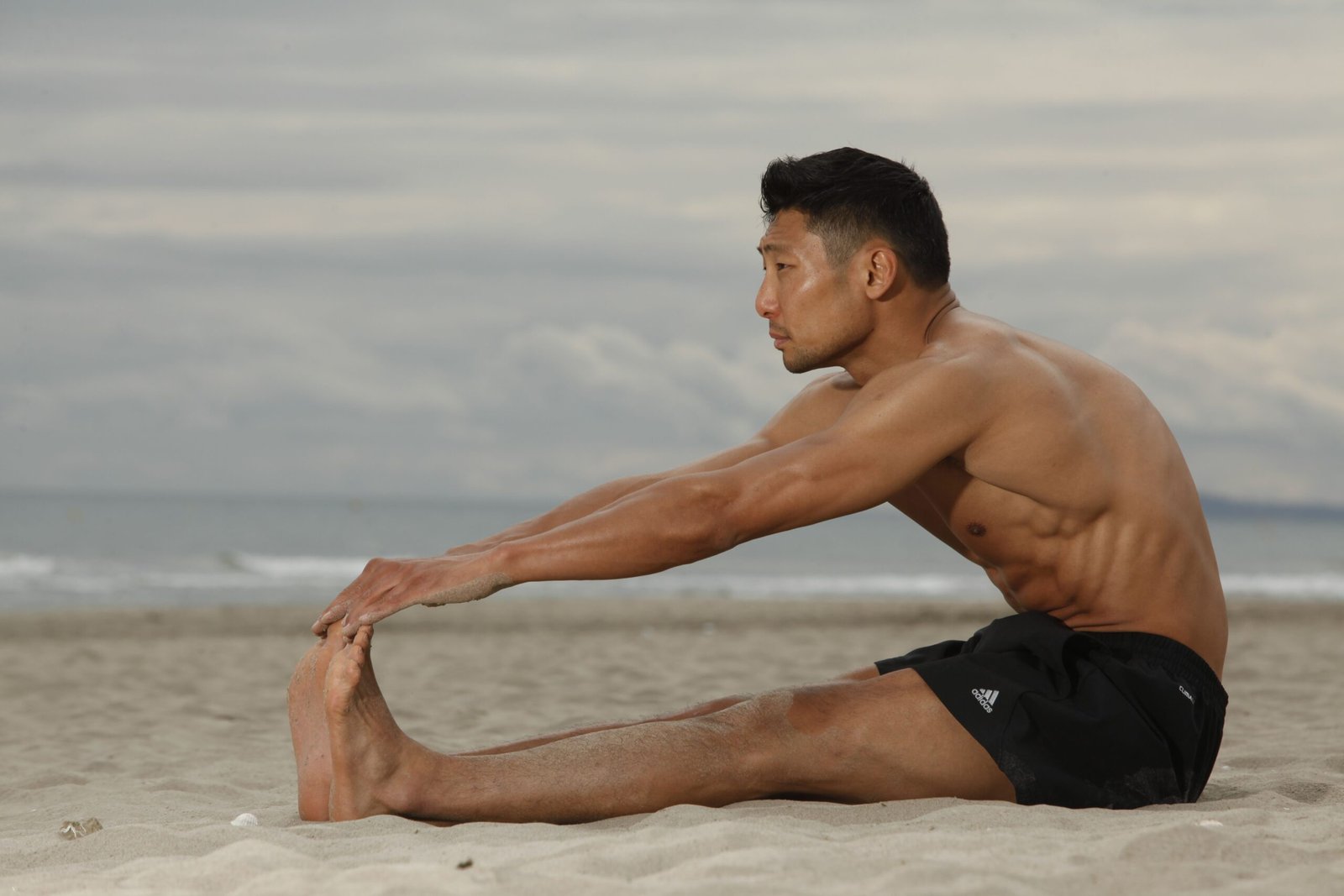
There are two kinds of rest and only one of them is really restful. Passive rest. The couch. The series. The 6,000 steps that never were. Active recovery consists of walking, easy swimming, mild cycling, stretching, and other low-intensity exercise on the days your body is rebuilding.
The surprising result is that it leaves you feeling more rested than if you had done nothing. According to the Cleveland Clinic, active recovery exercises that can help with recovery before, during and after intense workouts include swimming, yoga, foam rolling, stretching and walking. The article looks at why simple movement is better than stillness, and what counts, what doesn’t and how to fit it in to a training week.
The Unexposed Secret of Active Recovery
Active recuperation is exercise that keeps your circulatory system fully staffed, while being gentle enough to add nothing to your body’s repair bill. You’ll notice it in three ways: on the cooldown day immediately after a workout, on the easy day that isn’t a zero, and most importantly for this article, on the easy day that isn’t a zero between hard sessions.
Low intensity is the only load bearing statement in the definition. The moment it is training, the activity stops being recovery and becomes a second workout with recovery costume. The rest of this article is about how to find that line and walk it.
The Blood-Flow Argument and Why It Works
Recovery is a matter of logistics. Blood is needed to move protein, oxygen and nutrients to damaged muscle and to carry waste away. Delivery is blood’s job. Blood flow goes up when there is activity, goes down when there is stillness. According to the Cleveland Clinic, the physiological argument is that active recovery speeds up healing by keeping blood, lymph and muscles moving softly.
The biology of a striking warehouse, in contrast, is quiet. The particular pain of getting up that nite is one familiar to anyone who has spent the entire day flat after a hard leg session. And in most people’s honest accounting, the same day with a 30-minute walk in is about half as painful.
What is Active Recovery?
The menu, in order of ease of access walking. The universal donor of the recovery. 20-40 min, conversation speed, outdoors. Just swimming or riding a bike. They both remove joint impact completely and increase circulation in the legs . Swimming is the most gentle full body element .
Yoga or Stretching. They are also slow-breathing variants, down-regulation of the neurological system, which is half of recovery. Mobility work and foam rolling. Listening to a podcast on the floor, slowly and lazily. Even the Cleveland Clinic recommends foam rolling as part of their active recovery toolkit.
Circuits with low resistance. 30-40% effort with just your bodyweight if you can be honest with yourself.relaxed workout. Playing with kids, gardening, easy hiking, casual basketball. It counts if it leaves you feeling pleasantly spent, as opposed to just spent.
The Intensity Guardrail
Here’s the line, which is fairly easy to test. You should be able to have a conversation all the way through and come out feeling better at the end of the session. Practical signs: your heart rate is way below the training zones, you can breathe comfortably through your nose, and tomorrow you feel no worse for wear. Cleveland Clinic’s guidelines refer to active recovery as low intensity exercise following strenuous exercise and it’s important to emphasize this because the hard part is done, the goal here is to help, not to add Cleveland Clinic.
The most common failure in active rehab is intensity creep, where a relaxed jog turns into a tempo run after a stranger with better form passes. If you are data-minded, shield yourself from it with a heart-rate ceiling. If you are sane, use the conversation test.
Where it fits in the week
Simple weekly architecture that makes good use of active recovery
Monday: strength or hard session.
Tuesday: active recovery, light swim or walk for 30 minutes
Wednesday: strength/hard session
Thursday: Yoga/stretching/active recovery work
Friday: hard/strength session
Saturday: bike ride, hike, and other slow exercise
Sunday: complete, guilty-free passive rest
One zero, three hard days, and three easy days. Even on the easy days you can still bank those important activity minutes, which quietly nudges you toward the CDC’s weekly minimum of 150 minutes without you ever feeling the need to train CDC.
When is passive rest better than active recovery, and vise versa?
The split is easy and both are in a week. If it is the entire body, not just the muscles that is tired, for instance after a week of bad sleep, an impending illness, the highest level of stress in your life or a very hard workout, the discomfort of which is still at its highest, then passive rest is advised. Days between sessions are dedicated to active recovery.
There are a few who go to the extreme of never stopping and these are the ones who fall into February. Most get it wrong and sit too much because sitting still feels like rest but makes blood flow slow. Switch between the two, and let fatigue decide the winner.
3 Mistakes That Ruin Active Recovery
Turning lazy days into covert training. A rehab walk has a different purpose if you are tracking your pace. completely disregarding it. The best walk is 25 minutes the day after leg day, otherwise you have one sore day, three stiff ones. without even having any sleep.doing it. Exercise is good, but you can’t pay off sleep debt in dribs and drabs. The walk is optional and the snooze is mandatory on a rough nite.
A Short Note on Safety
If you’re new, recovering from an injury, or dealing with a cardiac disease, keep active recovery really simple and check with your treating physician first about any post-injury return. If the pain gets worse instead of better during the activity, that is your exit indicator. Stop, reassess. This is the kind of day that is supposed to take care of the rest, including moderate stiffness, mild soreness and general staleness.
FAQ’s
Active rehabilitation walking? Yeah, pretty much all the time. No preparation, no equipment, no shower logistics required and it is the most reliable low intensity circulation dose yet developed.
If you’re really sore, active recovery can help. That’s the ideal use case. Mild activity is easy to do and is more often than not faster at relieving discomfort than rest. Just keep it low intensity and let the pain win out on the strategy.
Can rest days be completely replaced by active recovery? Nope. Plan for at least one totally passive day per week. The mind needs a day off from even mild structure. That’s because adaptation hardens in true quiet as well.
1 thought on “Active Recovery Why Easy Movement Beats Total Rest”