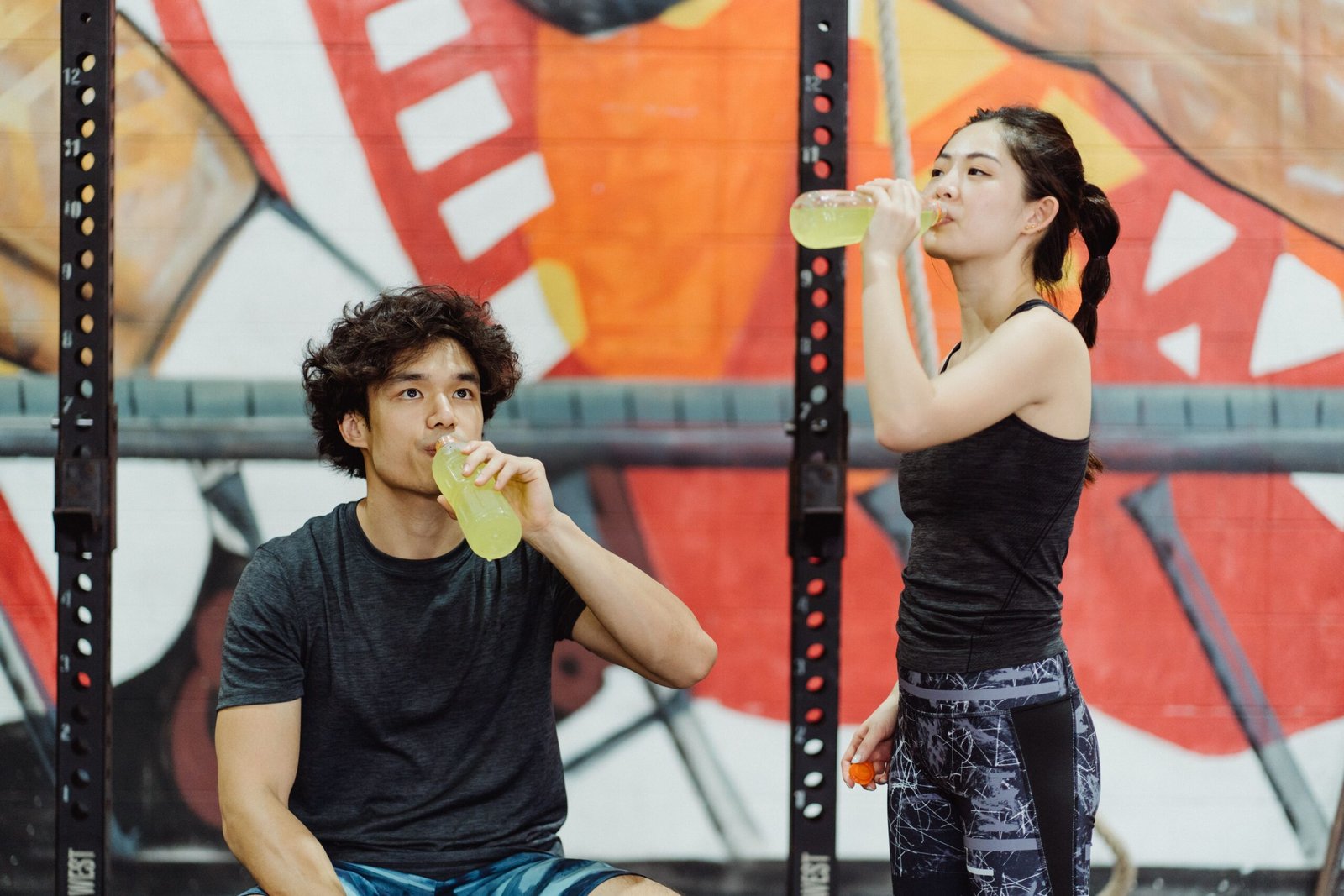
Hydration for Workouts there are two types of advice about hydration; both are incorrect. The first is the gallon-jug influencer who always has a tiny aquarium with them, as though the amount of water in them was a characteristic of their personality. The second is the stoic who sweats through sweltering afternoons, drinks when thirsty, and wonders why the final third of every session feels like wading through syrup.
The truth is somewhere in the middle, and more intimate than either side would want to admit. The CDC says dehydration can lead to mood swings, constipation, overheating and muddled thinking. Your body also needs more water when you’re more active. In this article we explain how dehydration affects training, how to calculate your own figures and when a sports drink is worth its salt.
Hydration for Workouts The Effect of Water on Performance
Your body uses water as a medium for training. Sweat is water. Blood plasma, which carries heat to the skin for elimination and oxygen to the active muscles, is mostly water. The chemical exchange between muscle and nerve takes place in water. If you don’t, all those systems run at less than capacity, which is a bit like driving around with a partially-depleted oil system – technically possible but subtly expensive.
Drinking water helps prevent dehydration symptoms, mood swings, poor thinking, and overheating, according to the CDC. All four of those things will degrade a workout session before you know it.
How Dehydration Impacts Your Exercise
Lose a small bit of fluid from your body and the effects are immediate. Your heart beats faster for the same effort, your perception of effort increases, your coordination and decision-making become sluggish, and your risk of heat stroke skyrockets in hot weather. The main problem with just drinking when you’re thirsty during hard or long sessions is that by the time you feel really thirsty you’re already past the point of being moderately impaired. Thirst is a late indicator, like the oil light coming on after the engine had a rough morning.
None of these has to dramatically collapse. Structured hydration for exercises is better than haphazard gulping. Most training-day dehydration is the quiet kind. Two percent down, twenty percent worse.
The Daily Floor: Your Baseline
The “eight glasses” standard is still around because the amount you need to drink each day depends on your body size, the temperature and what you do. A practical floor: pale yellow urine by midmorning and again mid-afternoon; thirst is sporadic rather than constant. The CDC recommendations emphasize water as the beverage of choice noting that needs increase in hotter climates and with increased physical activity. Food too makes an important contribution, fruit, vegetables, soup, coffee and tea all count in the total, the mythical drying effect of caffeine is minimal at typical doses.
Before, During and After your Workout: Take approximately 500 ml (17 oz) two hours before. Make sure you eat before the session. You need time to burn off any excess before the warm up.
During: drink steadily. Thirst and a bottle close at hand are generally adequate for workouts lasting less than an hour in moderate climates. In terms of hydration stress ACSM recommends matching intake to individual sweat losses rather than any general formula; for longer or hotter work, then, 200 to 300 ml every 15 to 20 minutes keeps pace with sweat losses without sloshing.
Then make up the shortfall. As explained below, weighing yourself before and after a hard session turns conjecture into data. In the next few hours replace losses with regular meals and liquids. Eating restores much of the salt lost in perspiration.
How To Work Out Your Sweat Rate
One bathroom scale translates the legend of staying hydrated while working out into math: Before a normal hard session, weigh yourself in light clothes. Work out for an hour and keep track of every ounce that goes into your mouth. After weighing yourself, dry yourself off first.
For each kilogram lost, it takes a liter of sweat and for each pound a half a liter. Your hourly rate of perspiration for those settings is the sum of what you drank during the workout. This technique of body-weight-before-and-after is precisely what the ACSM recommends as a practical method of estimating individual sweat rates . Heavy sweaters can lose well over a liter per hour so good to know this number before you find out the hard way in July. Try it in summer and in winter.
When You Should Drink Sports Drinks
Depending on the session, sports drinks are made from water, sugar and salt, which can be exactly what you need or expensive lemonade. The honest triage Water, mild conditions, under an hour. “Stop altogether.
Electrolytes are your friend when you’re sweating buckets, or sweating for more than an hour. Sodium replacement is important for salty sweaty people who sweat profusely. And the carbohydrate keeps you propped up for those late-session snacks.
Multi-hour endurance work: electrolytes and fluids are super important, as it is known you can be dangerously low in sodium and too high in water during long activities.The ACSM says water is fine for shorter efforts, but for longer or sweaty workouts, you should drink electrolyte-containing beverages. Everyone else is running advertisements.
Myths About Hydration That Should Get Out”Everyone needs a gallon a day.” The CDC’s recommendations are activity- and condition-specific, not one figure for a 60-kilogram office worker and a 110-kilogram roofer. Requirements scale with body size, climate, and output.
Quick safety note
While less common than dehydration, overhydration is still possible because drinking too much, especially during prolonged activities, can dangerously dilute blood sodium. Drink according to your sweat rate, not according to an ideology. Dizziness, confusion or nausea during exercise in the heat are stop-and-cool signals, not toughness criteria. People with heart or kidney problems should work with their clinician to determine their own hydration goals.
Frequently Asked Questions
How much water to drink during a regular workout? In fact, for most activities under an hour with a bottle available, drinking to thirst is enough; for longer or hotter sessions, use the sweat-rate test and drink 200 to 300 ml every 15 to 20 minutes.
Is it okay to drink coffee as part of my normal fluid intake? Yes, caffeinated beverages hydrate almost as well as water at normal intakes, but the CDC considers water the healthiest choice, not the only contributor.
Electrolytes and sweaty activity? Is it necessary? If you’ve done a hard or long workout, use an electrolyte drink, or salt your food liberally. If you’ve trained for an hour, a normal meal will suffice.
1 thought on “Hydration for Workouts How Much Water You Actually Need”