Workout for beginners starting a fitness app or walking into a gym for the first time can feel like standing at the bottom of a mountain with no map. And that’s exactly why so many people quit before they even start seeing results. A good workout need not be perfect for beginners. It’s about doing something that is consistent and doesn’t negatively impact your motivation or your body in the first two weeks.
In this tutorial you will learn how to begin, what a beginner friendly week looks like and what mistakes to avoid.
Workout for Beginners Why Most New Exercises Don’t Exercise
Lack of will is not the reason why novice routines fail. Bad preparation is the culprit. People will begin exercises intended for advanced or expert lifters, be sore for a week, and quit before their bodies have a chance to adapt. Others try to mix weights, cardio, and flexibility work in one session, get burned out and never come back.
A good workout for novices should be dull, in the best sense of the word. It needs to be repeatable enough, progressive enough to show results, and forgiving enough that if you miss a day, everything doesn’t go to hell.
Step 1: Find Your Starting Point
It’s good to know where you currently stand fitness wise before starting any program. To begin on a fitness program, the Mayo Clinic suggests tracking a few basic measurements, such as your resting heart rate, how many push-ups you can do, and how far you can walk easily. These are baseline numbers for you to compare against a month or two later to see how you’re doing, not to judge you.
Step 2: Create a Manageable Weekly Schedule
Beginners don’t need to train every day of the week. In reality, three or four workouts a week with rest days in between is better for long term adherence and fewer injuries. Here is an example of a first month structure:
Day 1: Full body strength workout using either bodyweight or light weights
Day 2: slow walk or relax
Day 3: 20 to 30 minutes low impact cardio (walking, biking, swimming)
Day 4: Rest Day
Day 5: Full body strength training
Day 6: Light exercise, such as taking a walk or stretching
Day 7: Have a siesta
The framework creates an aerobic base while allowing muscle recovery between strength-training sessions.
Step 3: Get the Basics Right Before Getting Complicated
Basic movement patterns should be the focus of a beginner’s workout rather than expensive equipment or fad activities. These include:
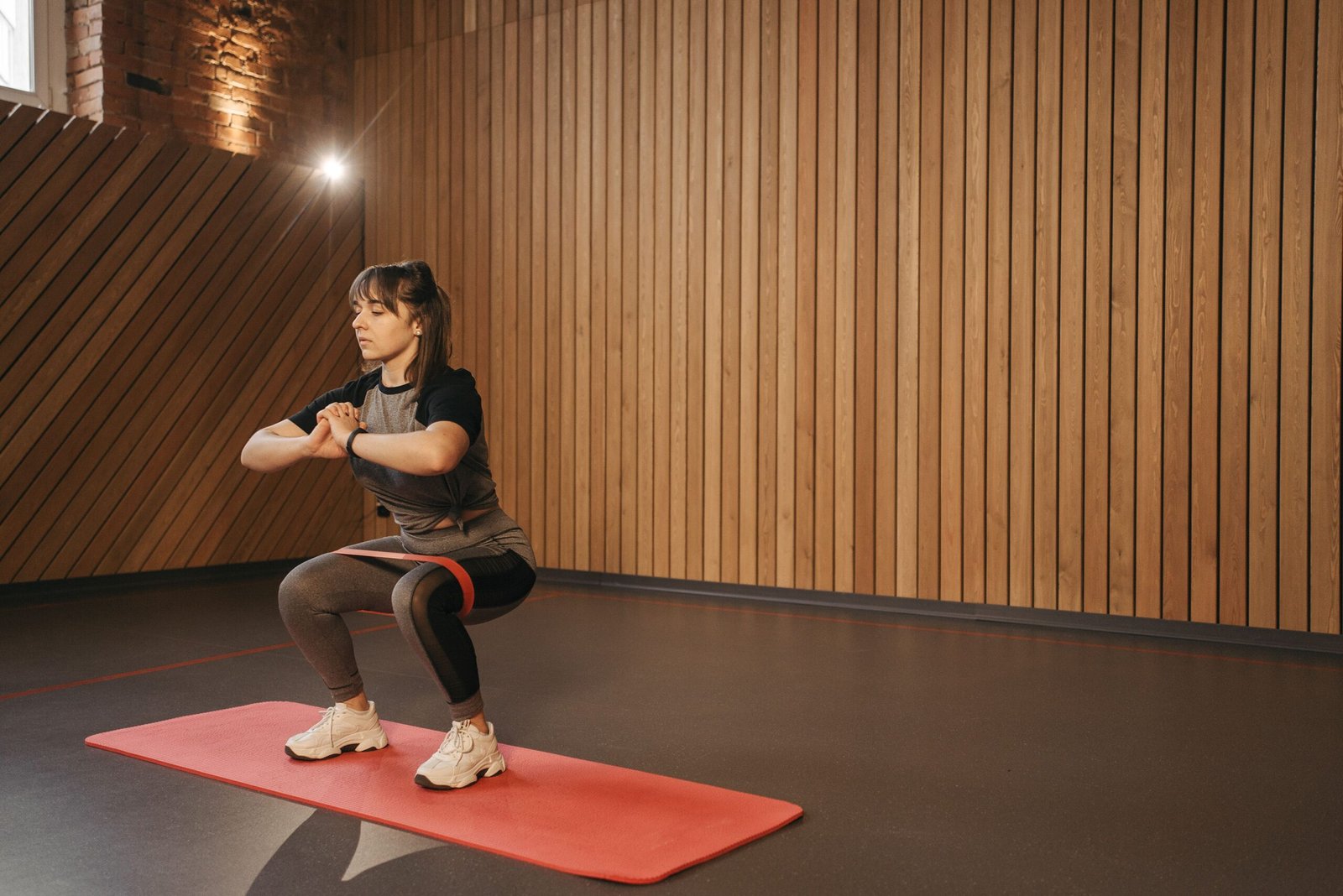
Squats: build your legs and core
Push-ups or modified push-ups build core and upper body strength.
Rows: maintain posture and counter pushing motions
Planks to build core stability
Walk or run a little to improve your cardiovascular endurance.
A good place to begin your strength exercises is two to three sets of eight to 12 repetitions. During the first few weeks it is more important to learn the proper technique than to lift heavy or run fast to reduce the chances of injury as intensity increases.
How Hard Should It Feel?
Going too hard, too soon is a classic error novices make when working out. You can expect a day or two of soreness, but if you can’t move for a week you went too hard. A good way to gage your cardio exertion is the “talk test.” If you can carry on a conversation while exercising, you are likely exercising at a safe, moderate intensity. If you can only speak a few words at a time, turn down the volume.
Heating and Cooling
One of the fastest ways for a rookie to get hurt is to skip warm-up. A five to ten minute warm-up, like gentle movements such as walking or arm circles, increases blood flow and prepares muscles for activity. Then a cool-down with some light stretching may help bring the heart rate down gradually and possibly help prevent stiffness the next day.
Nutrition and Recovery Fundamentals
If healing is not done, exercise alone will not be useful. Sleep and protein intake will greatly affect how much a beginner improves, which beginners often do not realize. For better muscle recovery, get 7 to 9 hours of sleep each nite and include a protein source in most meals. Hydration is also key, especially as the duration and intensity of your workouts increase.
Common Beginner Mistakes To Avoid Comparing yourself to others. The guy next to you in the gym has probably been working out for years. Your progress is based on your starting point, not someone else’s schedule. days off skipped. Muscles develop and adapt during rest, not during exercise. Training every day without rest can lead to injury or burnout.
When to Move Up
After three to four weeks of consistent training, most beginners are ready to progressively increase intensity, whether it’s adding weight, reps or cardio time. According to the CDC’s physical activity guidelines, one of the best ways to prevent injuries while gradually increasing fitness is to gradually increase volume or intensity rather than making abrupt changes.
Conclusion
A beginner’s workout doesn’t need to be hard or strenuous to be beneficial. Recovery Focus, Basics First, Simplicity, Let It Work People who still trained 6 months later are the ones who get the best long term effect, not the ones who trained the hardest the first week.
1 thought on “Workout for Beginners The Simple Way to Start Without Getting Overwhelmed”