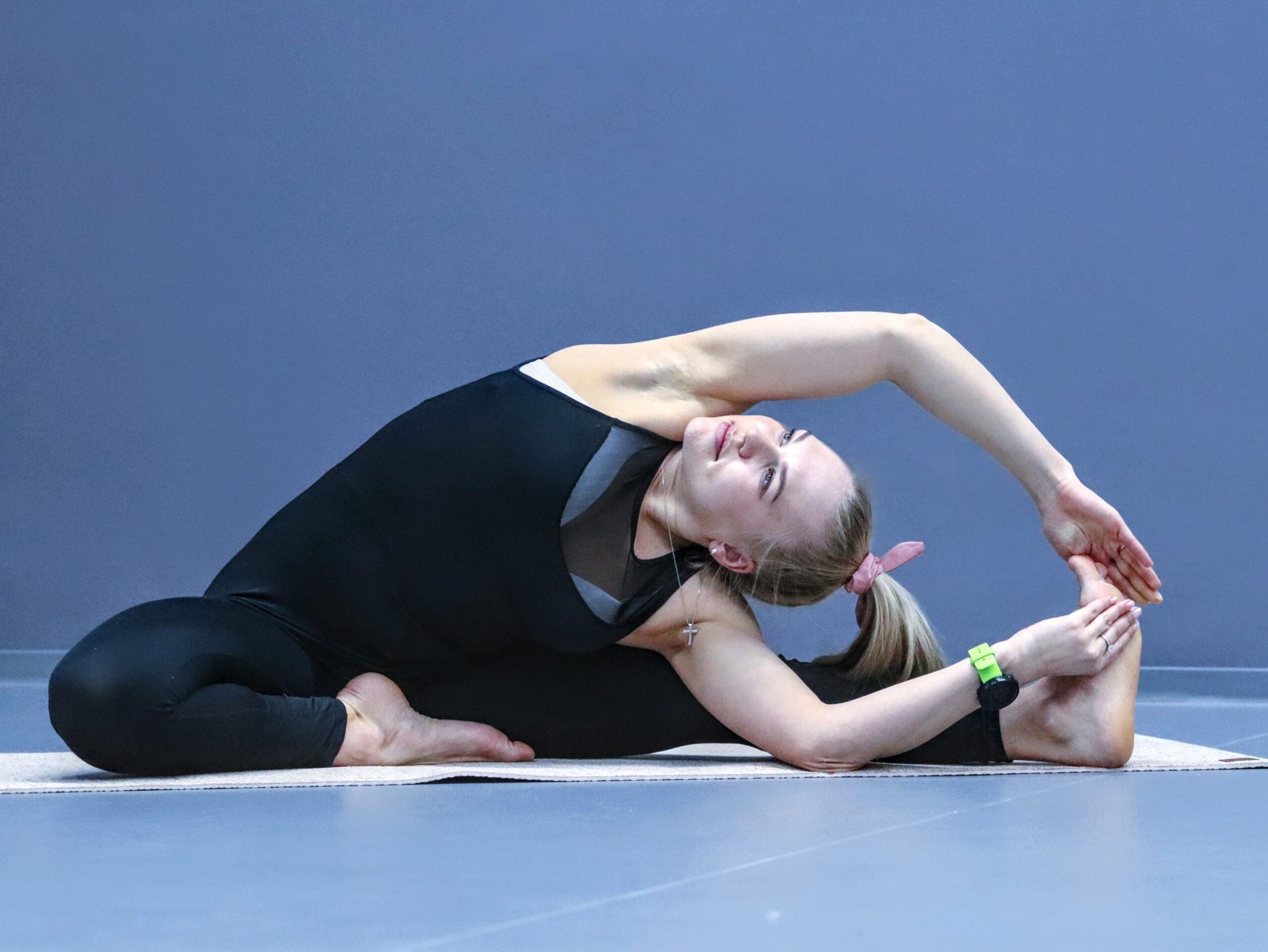
Workout for flexibility usually takes a back seat to cardio and strength training, but that comes at a cost. A tight hip, stiff lower back and lack of shoulder mobility can make workouts more difficult, but can also cause problems in everyday life, such as reaching for something on a high shelf or bending down to tie your shoes. Most of these little annoyances can be subtly resolved with regular flexibility exercises and results can be seen quickly.
Workout for Flexibility Reasons for the initial loss of flexibility
Flexibility naturally decreases as people get older and less active. Harvard Health Publishing says that physical therapists claim that the body becomes progressively stiffer as muscles shorten and tendons dry. Sedentary lifestyles accelerate this process, but flexibility is very responsive to regular stretching, no matter what your age or starting point.
The Two Primary Stretching Techniques
That is, taking a joint through its complete range of motion repeatedly without holding a static position. Examples include arm circles, leg swings, and walking lunges. Dynamic stretching is ideal as a pre-workout warm-up as it increases muscle temperature and prepares the body for movement, without decreasing power output as static stretching can before intense activity.
Static stretching
This is the more well known version and it involves holding a stretch for between ten and thirty seconds. Static stretching is most effective when the muscles are warm, as they are after a workout or during a flexibility session. Rather than increasing flexibility, bouncing during a stretch or holding a stretch too long increases the chances of getting injured.
A Quick Flexibility Exercise You Can Do Right Now
The hips, hamstrings, shoulders and lower back are usually the tightest areas of the body for most people. Hold each stretch for 20 to 30 seconds on each side and breathe steadily. Standing, hinge forward at your hips and bend your knees a little, reaching toward your toes to lengthen your hamstrings.
Kneeling lunge (or hip flexor stretch). Kneel down on one knee and gently push your hips forward, feeling the stretch in the front of your hip. To do a seated spinal twist, extend your legs straight, cross one over the other and twist your torso toward the bent knee.
Lean one arm against a wall or doorway. Gently turn your body away from the wall or doorway to stretch your shoulders and chest. To stretch your calves, stand against a wall and step back one foot. Lean forward slightly, pushing your heel into the floor.
Benefits of Consistent Flexibility Exercises
According to Harvard Health Publishing, stretching helps to keep muscles strong, flexible and working and helps to maintain a healthy range of motion in the joints. Regular flexibility exercises can make you feel less stiff.
Reduce the risk of joint and muscle injuries in other exercise Release chronically tight muscles (hip flexors, chest) to improve posture. Enhance balance, which is essential as we get older. Relief from slight tightness and aches from prolonged sitting Improve performance in other activities such as sports, cycling and walking
How Flexibility Training Works With Other Exercises
Flexibility exercises do not replace strength and aerobic exercises but complement them. Doing a quick dynamic warm-up before your workout and a few minutes of static stretching afterward is often enough to keep you flexible without adding an extra training day. But if you’re really tight, then taking a focused flexibility class for 20-30 minutes once or twice a week can be a huge step toward helping you move better.
Both yoga and Pilates are great additions to a more comprehensive exercise program and are excellent ways to improve flexibility, core strength, and body awareness.
Common mistakes in flexibility training
The muscles are cold and are stretched. Static stretching before a good warm up actually increases the risk of injury, rather than preventing it. First, get your blood flowing, or save deep static stretches for after an activity.
stretching and bouncing. Ballistic, bouncing stretching can strain muscle fiber. It is safer and more efficient to hold slowly and carefully.
Awaiting overnight results. Flexibility is built up slowly, just like strength and endurance. Most people have to stretch on a regular basis for many weeks before they see any real improvement in their range of motion.
disregarding trouble spots. Each person carries tightness differently. Some people have trouble with their hips, others have trouble with their shoulders or lower back. If you can identify your own problem areas, a flexibility routine is much more beneficial than a general one.
When to go to a specialist
If the stiffness is accompanied by acute pain, numbness or a palpable asymmetry between one side of the body and the other, it’s worth a visit to a physical therapist. A specialist can tell whether the problem is tight muscles or whether some other type of treatment is needed.
Conclusion
Doing a regular flexibility training for just a few minutes several times a week doesn’t take much time or equipment but can work wonders on the areas that need it most. In all other types of exercise more flexibility will eventually lead to less pain, easier movement and lower risk of damage. It’s one of the easiest, yet most overlooked, additions to a workout routine.